Table of Contents
Key Takeaways
- Microneedling offers the best balance of results vs downtime — 3 sessions produce visible improvement with only 24-48 hours of redness
- Fractional CO2 laser is the most effective non-surgical treatment, reducing wrinkles by 40-60% in a single session, but requires 5-7 days downtime
- Superficial chemical peels are safe for all skin types; medium peels (TCA) are effective but risk hyperpigmentation in darker skin
- Professional treatments work by triggering the wound healing response; results are cumulative and require maintenance sessions
- A solid home routine of retinol, vitamin C, and daily SPF is essential before and after any professional treatment for optimal results
Understanding the Professional Treatment Landscape
Professional anti-aging treatments fill the gap between what topical products can achieve and what surgery can correct. They work by creating controlled injury to the skin, which triggers the body's natural wound healing response. This response includes increased collagen production, accelerated cell turnover, and remodeling of existing collagen fibers. The key variable across all professional treatments is the depth of the injury — deeper treatments produce more dramatic results but require longer recovery times.
Before considering any professional treatment, a solid home skincare routine must be in place. Retinol, vitamin C, sunscreen, and moisturizer provide the foundation that professional treatments build upon. Patients who maintain a good home routine before and after their procedures see better results and heal faster than those who rely solely on in-office treatments.
Candidate assessment is critical. Fitzpatrick skin type, current skincare regimen, history of keloid scarring, active infections, pregnancy status, and realistic expectations all factor into which treatment is appropriate. A board-certified dermatologist or licensed aesthetician should evaluate these factors in person before any procedure. Online consultations are not sufficient for treatment decisions.
Chemical Peels: Superficial to Deep Resurfacing
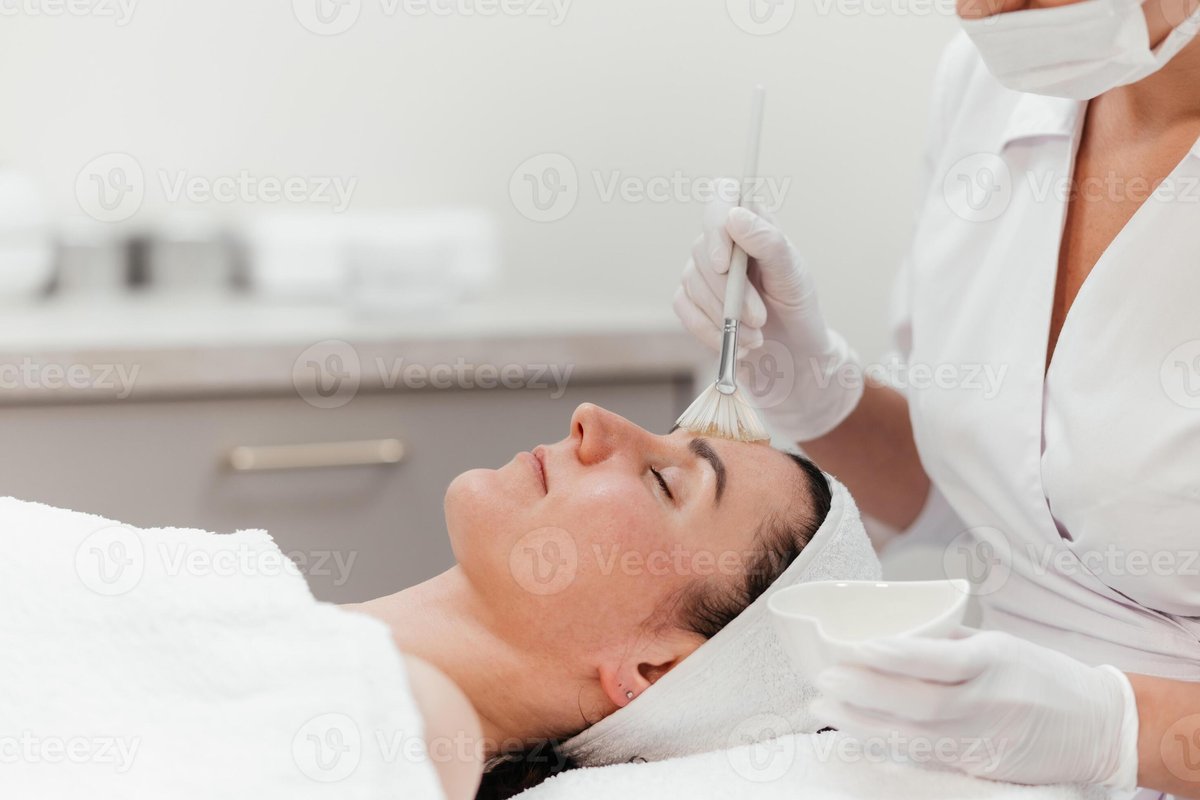
Chemical peels use acid solutions to remove the outer layers of skin, triggering regeneration of new, smoother skin. They are classified by depth: superficial, medium, and deep. Superficial peels use alpha hydroxy acids like glycolic acid (20 to 50 percent) or lactic acid and affect only the stratum corneum. They require no downtime, produce a mild glow, and are safe for all skin types. A series of four to six superficial peels spaced two weeks apart provides cumulative improvement in texture and brightness.
Medium-depth peels using trichloroacetic acid (TCA) at 25 to 35 percent penetrate through the epidermis into the upper papillary dermis. They effectively treat moderate photodamage, fine lines, and superficial hyperpigmentation. Downtime is 5 to 7 days, during which the skin peels visibly. A single medium-depth peel produces results comparable to about 6 months of daily retinol use. TCA peels are not suitable for darker skin types due to the risk of post-inflammatory hyperpigmentation.
Deep peels using phenol or high-concentration TCA penetrate into the reticular dermis. They produce dramatic wrinkle reduction but require 2 to 3 weeks of downtime and carry risks including permanent pigmentation changes and scarring. Deep peels have largely been replaced by laser resurfacing for most indications due to the superior precision and safety profile of lasers. They are rarely performed outside of specific cases in experienced hands.
Microneedling: Collagen Induction Therapy
Microneedling, also called collagen induction therapy, uses a device with fine sterile needles that puncture the skin at controlled depths. The needles create thousands of micro-channels that trigger the wound healing cascade without removing the epidermis. This stimulates collagen and elastin production while leaving the skin barrier intact. The result is improved skin texture, reduced pore size, firmer skin, and gradual improvement in scars and fine lines.
Clinical data supports microneedling for both anti-aging and scar revision. A 2020 randomized controlled trial comparing microneedling to 0.05 percent tretinoin for photoaging found that microneedling produced greater improvement in wrinkle depth and skin elasticity after three monthly sessions. The advantage of microneedling over chemical peels and lasers is minimal downtime — most patients have redness for 24 to 48 hours that can be covered with makeup, with no visible peeling or scabbing.
The depth of the needles determines the treatment target. Cosmetic microneedling for anti-aging typically uses needles 0.5 to 1.5 millimeters in length. Deeper treatments at 1.5 to 2.5 millimeters are reserved for acne scarring and stretch marks. Topical serums applied immediately after microneedling can penetrate up to 80 percent deeper than through intact skin, which is why many providers combine microneedling with growth factors, vitamin C, or tranexamic acid for enhanced results.
The critical safety factor in microneedling is sterility. Needles must be single-use and disposed of immediately after each patient. Reusable cartridge-style pens should be sterilized according to medical device standards. At-home microneedling devices with needle lengths under 0.5 millimeters are generally safe for home use, but they do not penetrate deeply enough to stimulate significant collagen production and are more of a penetration-enhancing tool than an anti-aging treatment.
Laser Resurfacing: Fractional CO2 and Halo Treatments
Laser resurfacing is the most effective non-surgical treatment for advanced photoaging. Fractional CO2 lasers, often called Fraxel or similar branded devices, deliver columns of laser energy that ablate microscopic zones of skin while leaving surrounding tissue intact. The intact tissue speeds healing and reduces downtime compared to older full-surface CO2 lasers. The result is significant collagen remodeling that continues for 6 to 12 months after a single treatment.
Ablative fractional lasers produce the most dramatic results of any non-surgical anti-aging treatment. A single fractional CO2 session can reduce moderate to deep wrinkles by 40 to 60 percent, tighten loose skin, improve skin texture, and fade stubborn hyperpigmentation. The trade-off is significant downtime — 5 to 7 days of visible redness and swelling followed by 2 to 4 weeks of persistent pinkness. Darker skin types have a higher risk of post-inflammatory hyperpigmentation after ablative laser treatments.
Non-ablative and hybrid lasers offer a middle ground. Halo laser combines ablative and non-ablative wavelengths in a single treatment, allowing providers to customize the depth and intensity based on the patient's skin type and concerns. Non-ablative lasers like IPL and Nd:YAG heat the dermis without removing the epidermis, which stimulates collagen with minimal downtime but requires 3 to 5 sessions for results comparable to a single fractional CO2 treatment.
Comparing Treatments: Downtime, Cost, and Results
Each professional treatment occupies a different position on the spectrum of downtime versus results. Chemical peels offer a gradual approach with minimal disruption to daily life. Microneedling provides steady improvement with short recovery periods. Laser treatments deliver dramatic results at the cost of longer recovery. The right choice depends on your skin concerns, tolerance for downtime, budget, and long-term skincare goals.
Cost varies significantly by geographic location and provider expertise. Superficial chemical peels typically range from $100 to $250 per session. Microneedling costs $200 to $500 per session, with most patients needing three sessions for optimal results. Fractional CO2 laser resurfacing ranges from $1,500 to $4,000 per session. While laser treatments seem expensive, a single session may be sufficient, making the total cost comparable to a series of three microneedling or peel sessions.
Maintenance is essential regardless of which treatment you choose. Collagen remodeling from a single laser or microneedling session continues for up to 12 months, but without maintenance, the skin gradually returns to its baseline aging trajectory. Annual touch-up treatments combined with a consistent home skincare routine of retinol, vitamin C, and daily SPF extend the benefits of professional treatments indefinitely.
Frequently Asked Questions
Common questions about professional anti-aging treatments
How many microneedling sessions do I need to see results?
Most patients need 3 sessions spaced 4 to 6 weeks apart for optimal anti-aging results. Collagen remodeling continues for 6 months after the final session, so the full effect is visible about 6 months after starting treatment. Maintenance sessions once or twice per year are recommended to sustain results.
Can chemical peels be done at home?
Only superficial peels with low-concentration AHAs (under 20 percent glycolic acid) are safe for home use. Medium and deep peels should only be performed by licensed professionals. At-home peels that claim TCA concentrations above 20 percent are dangerous and can cause chemical burns, scarring, and permanent pigmentation changes. The risk is not worth the cost savings.
Which treatment is best for deep wrinkles around the mouth?
Fractional CO2 laser resurfacing is the most effective treatment for deep perioral wrinkles. Microneedling combined with radiofrequency is a less invasive alternative that produces moderate improvement. Deep chemical peels (phenol) were historically used for this area but have been largely replaced by lasers due to better precision and safety.
Is microneedling painful?
Most patients describe microneedling as uncomfortable but tolerable. A topical numbing cream is applied for 30 to 45 minutes before the procedure, which significantly reduces discomfort. Sensations during treatment range from mild pressure to light scratching depending on the needle depth. Deeper treatments for scarring may require a nerve block for pain management.
Can I combine different professional treatments?
Yes, treatment combinations often produce better results than any single modality. A common protocol involves a series of microneedling sessions followed by a single laser treatment for maintenance. Superficial chemical peels can be alternated with microneedling sessions. However, combining treatments requires careful spacing — typically 4 to 6 weeks between different procedures — to avoid overloading the skin and compromising healing.
Related Articles
Your Next Step
Professional anti-aging treatments offer results that topical products alone cannot achieve, but they require realistic expectations, appropriate candidate selection, and proper aftercare. Microneedling provides the best balance of results and minimal downtime for most people, while fractional laser is the gold standard for advanced photoaging.
Schedule a consultation with a board-certified dermatologist to discuss which treatment matches your skin type, concerns, and tolerance for downtime. No single treatment is best for everyone, and the right choice depends on your specific skin condition and goals. Maintenance through a solid home routine and periodic touch-up sessions ensures that your professional treatment results last.