Table of Contents
Key Takeaways
- Dry brushing primarily exfoliates dead skin cells and stimulates superficial circulation — lymphatic drainage claims are overstated
- Always brush toward the heart with gentle, long strokes starting from the feet upward
- Natural bristle brushes (sisal, cactus, horsehair) with long handles provide the best experience for most users
- Dry brush 2-4 times per week before showering on dry skin, and always moisturize afterward
- Avoid dry brushing over eczema, psoriasis, active acne, sunburn, varicose veins, or open wounds
Dry brushing has become one of the most popular body care rituals in recent years, promoted by wellness influencers and beauty editors alike. The practice involves brushing the skin with a firm-bristled brush on dry skin before showering. Advocates claim benefits ranging from exfoliation and improved circulation to lymphatic drainage and cellulite reduction.
A study in the Journal of Cosmetic Dermatology found that regular dry brushing combined with moisturizer application significantly improved skin texture and firmness over a 12-week period, with participants showing reduced rough patches and improved circulation in treated areas.
But which claims hold up to evidence, and which are marketing hype? This guide separates fact from fiction, provides proper technique instructions, helps you choose the right brush, and outlines who should avoid dry brushing.
Evidence-Based Benefits
Dry brushing delivers several genuine benefits when performed correctly. The most immediate and visible effect is exfoliation. The bristles physically remove dead skin cells from the surface, leaving skin smoother and more receptive to moisturizers. This is the same effect as using a body scrub, but without the mess of product residue.
Circulation boost: The stimulating action of dry brushing increases blood flow to the skin's surface, creating a temporary flushed appearance. Improved circulation delivers oxygen and nutrients to skin cells and can contribute to a healthier complexion over time.
Temporary firmness: Dry brushing can create a temporary tightening effect by stimulating the skin's superficial layers. This is why skin looks smoother immediately after brushing. The effect lasts for several hours and can be useful before events where you want your skin to look its best.
Lymphatic drainage claims: The claim that dry brushing significantly stimulates lymphatic drainage is the most controversial. The lymphatic system is a deep network of vessels and nodes that responds primarily to muscle movement and manual lymphatic drainage massage performed by trained therapists. While superficial brushing may provide a mild stimulating effect, significant lymphatic drainage requires deeper, more targeted techniques. The main benefits remain exfoliation and surface circulation.
Proper Dry Brushing Technique
Starting at your feet, brush in long, gentle strokes toward your heart. This direction follows the natural flow of the lymphatic and circulatory systems. Use light to moderate pressure — the goal is stimulation, not abrasion. If the skin turns bright red or feels painful, you are pressing too hard.
Step-by-step routine: Begin with the soles of your feet, using circular motions on the tough skin. Move to your ankles and lower legs with long upward strokes. Continue to thighs and buttocks, always moving upward. Switch to your hands and arms, starting at the fingers and moving toward the shoulders. Brush the stomach and back in clockwise circular motions. Avoid the face, chest (nipple area), and any sensitive areas. The entire process should take 3 to 5 minutes.
Choosing the Right Brush
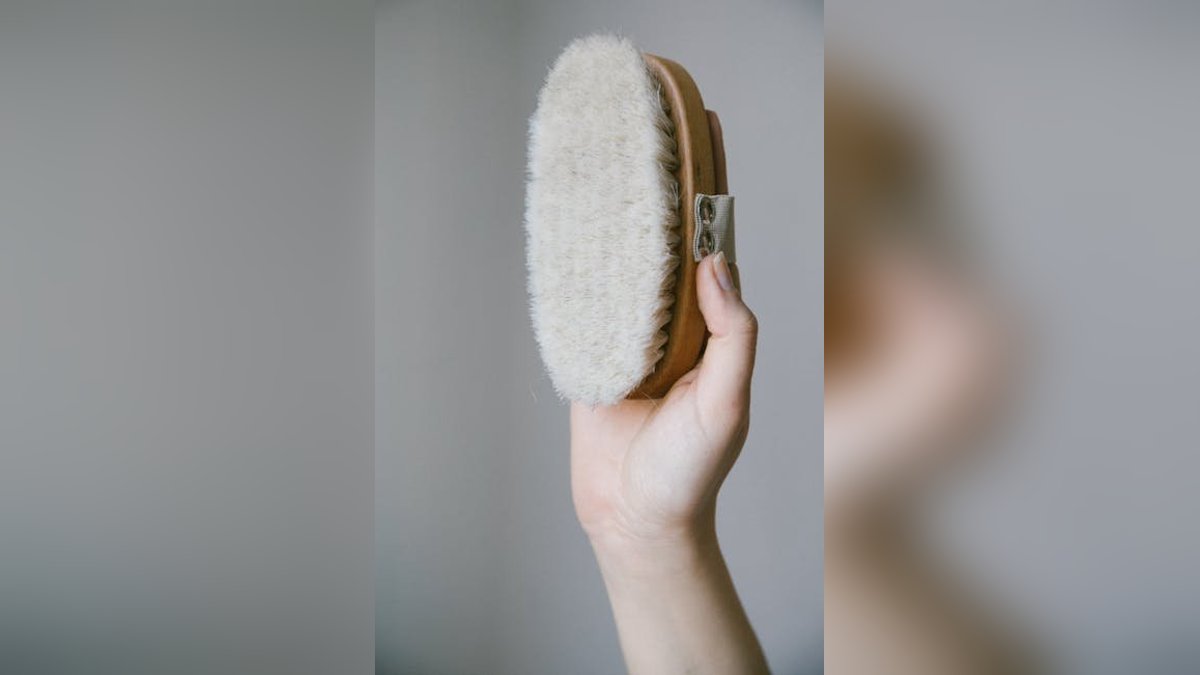
The brush you choose significantly affects your experience. Natural bristle brushes with a long handle are the standard for full-body dry brushing. Sisal bristles provide firm stimulation and are best for those with resilient skin. Cactus bristles are softer and better for sensitive skin. Horsehair brushes offer a gentler option suitable for those new to the practice. Look for a brush with a removable head for easy cleaning. Replace your brush every 6 to 12 months depending on bristle wear.
Contraindications and Precautions
Dry brushing is not suitable for everyone. People with eczema, psoriasis, active acne, or sunburn should avoid brushing over affected areas. Those with varicose veins should brush gently and avoid direct pressure on the veins. Individuals with very sensitive skin or rosacea may find the practice too irritating. If you take blood-thinning medication, consult your doctor before starting, as dry brushing can cause bruising. Always clean your brush regularly with mild soap and water and let it dry completely between uses to prevent bacterial growth.
For more on body exfoliation, see our comparison of body scrubs. For overall body care fundamentals, check the complete body care routine guide.
Related Articles
Your Next Step
Choose a natural bristle brush with a long handle. Start with once per week before your shower, using gentle upward strokes from feet to heart. After showering, apply moisturizer to damp skin. Increase frequency gradually based on skin response. For more body care guidance, explore our All Articles.