Table of Contents
Key Takeaways
- UVA rays cause premature aging while UVB rays cause sunburn and DNA damage
- SPF measures UVB protection only — PA ratings measure UVA protection separately
- SPF 30 blocks 97 percent of UVB, SPF 50 blocks 98 percent, and higher numbers offer diminishing returns
- Broad-spectrum means balanced UVA and UVB protection verified by standardized testing
- Sunscreen testing is conducted on human volunteers at 2 mg per square centimeter application
Sunscreen labels are packed with acronyms, numbers, and ratings that can feel like a foreign language. SPF, UVA, UVB, PA, PPD, broad spectrum, water resistant — each term represents a specific measurement that tells you how well the product protects your skin. Understanding these ratings is the difference between using sunscreen effectively and going through the motions without real protection.
This guide breaks down every rating and label claim on a sunscreen bottle, explains the science behind how sunscreens are tested, and gives you the knowledge to choose the right protection for your skin type and sun exposure habits.
The UV Spectrum
Ultraviolet radiation from the sun is divided into three categories based on wavelength. UVA rays have the longest wavelength (315 to 400 nanometers) and penetrate deep into the dermis, where collagen and elastin reside. They cause premature aging, wrinkles, and loss of skin firmness. UVA rays are present year-round, penetrate clouds and glass, and are relatively constant throughout the day. They are the primary cause of photoaging.
UVB rays have a medium wavelength (280 to 315 nanometers) and damage the superficial layers of the skin. They cause sunburn, DNA damage, and are the primary driver of skin cancer development. UVB intensity varies by time of day, season, and latitude. It peaks between 10 AM and 4 PM and is strongest in summer months. UVB does not penetrate glass significantly.
UVC rays have the shortest wavelength (100 to 280 nanometers) and are the most dangerous, but they are completely absorbed by the Earth's ozone layer and do not reach the surface. You only encounter UVC from artificial sources like germicidal lamps.
The SPF Rating System
SPF stands for Sun Protection Factor and measures protection against UVB rays only. The number indicates how much longer it takes for UVB rays to redden your skin when wearing the sunscreen compared to bare skin. SPF 15 blocks approximately 93 percent of UVB rays. SPF 30 blocks approximately 97 percent. SPF 50 blocks approximately 98 percent. SPF 100 blocks approximately 99 percent.
The difference between SPF 30 and SPF 50 may seem small in percentage terms, but it represents a significant reduction in the amount of UV radiation reaching your skin. SPF 30 allows about 3.3 percent of UVB through, while SPF 50 allows about 2 percent. The protection increase becomes negligible above SPF 50, which is why many regulatory bodies cap labeling at SPF 50+.
SPF testing uses a standardized protocol where sunscreen is applied at 2 milligrams per square centimeter of skin, which is roughly one-quarter teaspoon for the face. Most people apply far less than this, meaning real-world protection is typically lower than the labeled SPF.
PA, PPD, and Star Ratings
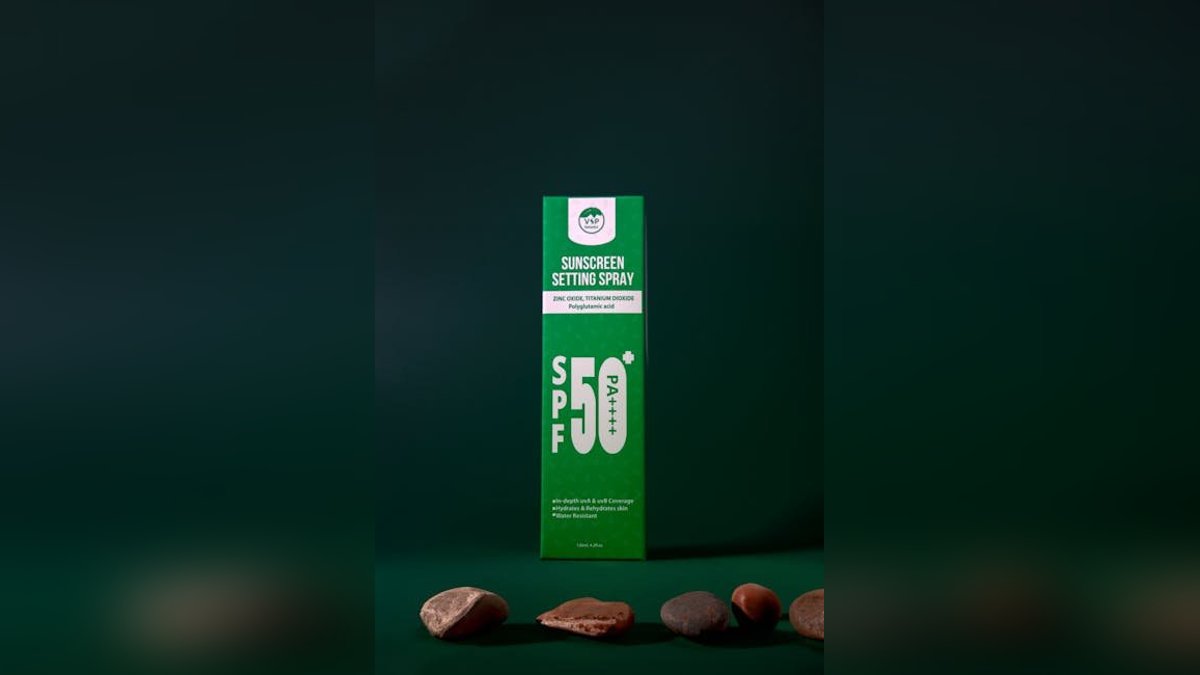
The PA rating system (Protection Grade of UVA) was developed in Japan and is now used globally, particularly by Asian and European sunscreen brands. PA+ indicates some UVA protection (equivalent to PPD 2 to 4). PA++ indicates moderate UVA protection (PPD 4 to 8). PA+++ indicates high UVA protection (PPD 8 to 16). PA++++ indicates the highest UVA protection (PPD 16 or higher).
PPD (Persistent Pigment Darkening) is the European UVA measurement system. It measures how long it takes for UVA to darken the skin with sunscreen compared to without. A PPD rating of 16 or higher is considered excellent UVA protection.
The Boots Star Rating system, primarily used in the UK, rates the ratio of UVA to UVB protection. Three stars indicates a good balance, four stars is very good, and five stars is excellent. To be labeled "broad spectrum" in the United States, a sunscreen must provide UVA protection proportional to its SPF value.
"SPF tells you about sunburn protection, not aging protection. A high SPF with poor UVA protection leaves you vulnerable to photoaging and hyperpigmentation. Always look for PA++++ or broad-spectrum labeling to ensure both UVA and UVB protection. Sun protection is incomplete without both."
What Broad Spectrum Means
Broad spectrum means a sunscreen provides balanced protection against both UVA and UVB rays. In the United States, the FDA requires that broad-spectrum sunscreens pass a specific test showing that UVA protection is proportional to the SPF value. Broad-spectrum sunscreens with SPF 15 or higher can claim to reduce the risk of skin cancer and early skin aging when used as directed.
If a sunscreen is not labeled broad spectrum, it may only protect against UVB rays, leaving your skin vulnerable to UVA damage. Mineral sunscreens with zinc oxide or titanium dioxide are inherently broad spectrum because these ingredients physically block both UVA and UVB. Some chemical sunscreen filters, like avobenzone, require stabilizers to provide broad-spectrum protection.
How Sunscreen Testing Works
SPF testing is conducted on human volunteers with fair skin (Fitzpatrick skin types I to III). A measured area of their back is divided into sections. Each section is treated with a precise amount of sunscreen (2 mg per square centimeter). The sections are exposed to increasing doses of UV radiation from a solar simulator. After 16 to 24 hours, a trained evaluator examines the skin for visible redness (minimal erythema dose). The SPF is calculated by dividing the UV dose required to cause redness on sunscreen-protected skin by the dose required on unprotected skin.
Water resistance testing involves the same protocol but includes immersion in water. A sunscreen labeled "water resistant" for 40 minutes must maintain its SPF after two 20-minute water immersions with moderate activity. For 80-minute water resistance, the test includes four 20-minute immersions. No sunscreen is truly waterproof or sweat-proof — these terms are no longer allowed on labels in most regulated markets.
UVA testing uses the PPD method, which measures pigmentation rather than redness. The skin is exposed to UVA radiation, and the amount of darkening is measured 2 to 4 hours later. This test takes longer than SPF testing because pigmentation develops more slowly than redness.
Related Articles
Your Next Step
Check the sunscreen you are currently using. Look for both a high SPF (30 or 50) and a PA rating (PA+++ or PA++++). If your sunscreen only lists SPF without UVA protection, replace it with a broad-spectrum option that covers both types of UV radiation. Your future skin will thank you.
For more skincare guidance, explore our All Articles.