Table of Contents
Key Takeaways
- Sonic brushes remove more surface debris than hands but the difference is marginal for most skin types
- Rotating brushes provide deeper mechanical exfoliation but carry higher risk of irritation and micro-tears
- Silicone brushes (Foreo type) are gentler than nylon bristle brushes and more hygienic long-term
- Over-cleansing with brushes can strip the skin barrier, leading to increased sensitivity and dehydration
- Oily and combination skin benefit most; sensitive, dry, and active acne skin should limit or avoid brush use
Cleansing is the foundation of every skincare routine, yet the debate over the best method continues. Sonic cleansing brushes promise a deeper clean than hands alone, but they cost money, take up bathroom space, and require regular maintenance. The question is whether the investment delivers proportionally better results for your skin.
The answer depends on your skin type, your cleansing needs, and how you define clean. A deeper clean is not always a better clean, and the most expensive brush can damage your skin if used incorrectly. This guide compares the major cleansing methods, examines the evidence behind each, and helps you decide which approach is right for your skin.
Sonic vs Rotating vs Silicone Brushes
The cleansing brush market breaks down into three main technologies, each with distinct mechanisms, benefits, and drawbacks. Understanding the difference is essential because choosing the wrong type for your skin can cause damage that takes months to repair.
Sonic cleansing brushes use high-frequency vibration, typically 300 to 500 movements per second, to loosen debris, makeup, and excess oil from the skin surface and pore openings. The user does not scrub; the brush's rapid oscillation does the work. This side-to-side motion is gentler than rotation because it does not twist or pull the skin. The most iconic sonic brush is the Clarisonic, which established the category, though production has since ceased. Current leaders include the Foreo Luna (silicone sonic) and various sonic brush heads compatible with multi-function devices.
Rotating brushes use a spinning motion to physically scrub the skin surface. The rotation provides more aggressive mechanical exfoliation than sonic technology, which can be beneficial for rough, thick, or oily skin but problematic for sensitive or thin skin. Rotating brushes typically offer multiple speed settings and interchangeable brush heads with varying bristle firmness. They are less common in the current market than sonic brushes, largely because the category has shifted toward gentler cleansing technologies.
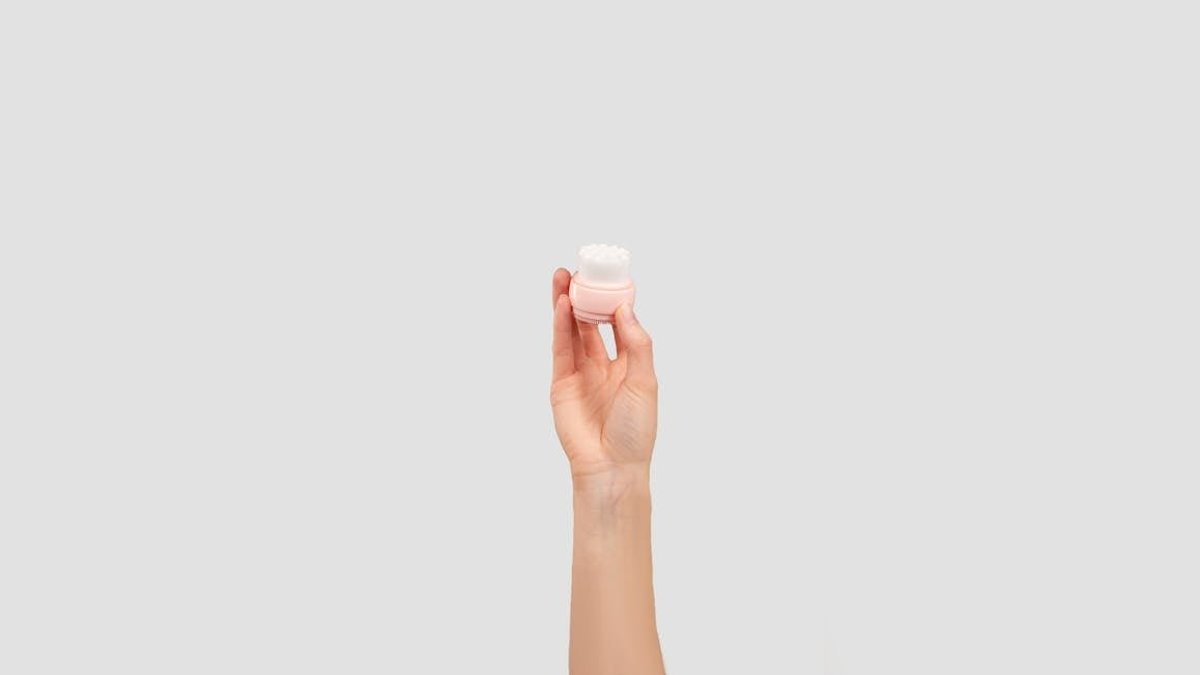
Silicone brushes represent the newest generation of cleansing technology. Instead of nylon bristles, they use soft silicone contact points that vibrate to dislodge debris. Silicone is non-porous, which makes it more hygienic than nylon bristle brushes that can harbor bacteria. The Foreo Luna line popularized this category, and many brands now offer silicone cleansing devices at various price points. Silicone brushes are the gentlest option and the most suitable for daily use across a wide range of skin types.
Clarisonic vs Foreo vs PMD: Major Brands Compared
Three brands have dominated the cleansing brush conversation over the past decade. Understanding their differences helps you make an informed purchase decision.
Clarisonic pioneered the sonic cleansing category and built a loyal following with their Mia and Smart series. The devices used oscillating brush heads with nylon bristles in various firmness levels. Clarisonic was acquired and the brand was discontinued, but existing devices remain in use. The legacy of Clarisonic is mixed: many users credit it with transforming their skin, while others report long-term damage from over-exfoliation. The brand's discontinuation reflects broader market trends toward gentler cleansing methods.
Foreo disrupted the category with their silicone Luna devices, which use T-sonic pulsations to dislodge impurities without bristles. Foreo devices are waterproof, hygienic, and never require replacement heads. The battery lasts for months on a single charge. The Luna 3 and Luna Mini 3 offer app connectivity for personalized routines and adjustable intensity levels. Foreo has become the market leader in cleansing devices, largely because their silicone approach addresses the hygiene concerns and environmental waste associated with replaceable brush heads.
PMD (Personal Microderm) offers the PMD Clean, a silicone sonic device similar to Foreo but at a lower price point. The PMD Clean uses sonic vibration with silicone contact points and claims to deliver 7,000 vibrations per minute. It is solid option for those who want the benefits of silicone sonic cleansing without the Foreo price premium. PMD also offers more specialized devices like the PMD Microderm for at-home microdermabrasion, but the Clean is their dedicated daily cleansing product.
| Feature | Clarisonic (Legacy) | Foreo Luna | PMD Clean |
|---|---|---|---|
| Technology | Sonic oscillation + nylon bristles | T-sonic silicone pulsations | Sonic silicone vibration |
| Hygiene | Replace heads every 3 months | Non-porous, no replacement needed | Non-porous, no replacement needed |
| Skin Types | Normal to oily | All types (gentler zone + deeper zone) | Normal to combination |
| Battery Life | 1-2 weeks | Up to 6 months | Up to 3 months |
| Price Range | Discontinued | $$$ - $$$$ | $$ - $$$ |
The Over-Cleansing Risk
The most significant risk associated with cleansing brushes is not using one but using one too often or too aggressively. Over-cleansing syndrome has become increasingly common as the beauty industry promotes double cleansing and device-assisted washing without adequate warnings about barrier health.
The skin barrier, technically the stratum corneum, is a thin layer of dead skin cells held together by lipids. This barrier prevents water loss and keeps irritants out. Mechanical cleansing, even gentle sonic vibration, exfoliates the surface layer. Regular exfoliation is beneficial in moderation, but excessive exfoliation strips the barrier faster than it can regenerate, leading to transepidermal water loss, increased sensitivity, redness, and a compromised ability to defend against environmental aggressors.
Signs of over-cleansing include skin that feels tight or stings after washing, visible redness or irritation, increased breakouts (paradoxically, from barrier disruption), and a shiny, almost waxy appearance from oil glands overcompensating for lost moisture. If you experience any of these symptoms, stop using your brush for at least two weeks and switch to a gentle hand wash with a non-foaming cleanser. When you reintroduce the brush, limit use to once every three days and use the gentlest setting.
"Over-cleansing is one of the most common issues I see in patients. They think if a little cleansing is good, more cleansing is better. But the skin barrier is not invincible. Using a sonic brush twice daily with a foaming cleanser is a recipe for barrier damage. Most people do not need a brush more than once daily, and many do not need one at all. If your skin feels good with hand washing, do not fix what is not broken."
Dermatologist Consensus on Brush Use
The dermatology community has reached a general consensus on cleansing brushes, though individual opinions vary. Most dermatologists agree that sonic silicone brushes are safe for most skin types when used appropriately, but they emphasize that brushes are a tool, not a necessity. The benefits of brush cleansing are incremental, not transformative, for the average person.
Key consensus points from recent dermatology conferences and published guidelines include: sonic brushes remove more surface debris than hand washing in one pass, but two-pass hand washing (double cleanse) achieves comparable results. Nylon bristle brushes carry a higher risk of micro-trauma than silicone brushes. Brushes should never be used on active acne, open wounds, or during retinoid adjustment periods. The 60-second rule is critical: no area of the face should be brushed for more than 60 seconds total.
The majority opinion in clinical dermatology is that hand washing with the correct technique is sufficient for most people. A sonic brush is a nice addition for those who enjoy the ritual and feel it improves their skin's texture and clarity, but it is rarely a medical necessity. The exception is for individuals with keratosis pilaris or rough, textured skin on the face, where gentle mechanical exfoliation can genuinely improve skin smoothness.
Which Skin Types Benefit Most
Cleansing brushes are not one-size-fits-all. Different skin types have different tolerance levels and different needs for mechanical exfoliation. Matching the brush type and frequency to your skin type is the difference between improvement and damage.
Oily and combination skin typically benefits most from brushes. The extra mechanical action helps break down excess sebum and prevent pore congestion. A sonic or silicone brush used once daily in the evening can improve skin texture and reduce the appearance of enlarged pores. Oily skin can tolerate nylon bristle brushes better than other skin types, though silicone is still preferred for long-term use.
Normal skin can use brushes 3 to 5 times per week without issues. The benefit is primarily cosmetic, smoother texture and better product absorption. Normal skin does not need a brush, but it tolerates one well. Alternating between brush and hand washing gives the skin periodic breaks from mechanical exfoliation.
Dry and sensitive skin should approach brushes with caution. Use a silicone brush on the lowest setting, limit use to 2 to 3 times per week, and never use a brush if the skin feels tight or looks flaky. Dry skin already has a compromised barrier in many cases, and mechanical exfoliation can worsen dehydration. For this skin type, hand washing with a creamy, non-foaming cleanser is often the better choice.
Active acne skin should avoid brushes altogether over inflamed breakouts. The mechanical friction can rupture existing pimples, spread bacteria to surrounding skin, and worsen post-inflammatory hyperpigmentation. Once acne is under control, a gentle silicone brush can be introduced to help with texture and prevent future congestion, but only over areas without active lesions.
Frequently Asked Questions
Common concerns about cleansing brushes and proper use
Are sonic cleansing brushes better than washing with your hands?
Sonic brushes remove more surface debris and makeup residue than hand washing alone in controlled tests, but the difference is marginal for most people. For those with normal to oily skin, the extra exfoliation can improve texture and clarity. For sensitive or dry skin, hand washing is usually sufficient and less likely to cause irritation.
How often should I use a sonic cleansing brush?
For most skin types, once per day in the evening is the maximum recommended frequency. Those with sensitive skin should limit use to 2 to 3 times per week, using hands for morning and other evening cleanses. Overuse can strip the skin barrier, leading to increased sensitivity, dehydration, and rebound oil production.
What is the difference between sonic and rotating cleansing brushes?
Sonic brushes vibrate side-to-side at high frequencies, gently loosening debris without scrubbing. Rotating brushes spin in circular motions, providing more aggressive mechanical exfoliation. Sonic brushes are generally gentler and more suitable for daily use. Rotating brushes deliver a deeper clean but carry higher risk of irritation and micro-tears.
Can cleansing brushes cause broken capillaries or premature aging?
Yes, when used incorrectly. Excessive pressure, aggressive bristles, or overuse can cause broken capillaries, particularly on delicate areas like the cheeks. Repeated micro-trauma from overly aggressive cleansing can accelerate collagen breakdown over time. Use gentle pressure, replace brush heads every 3 months, and never use a brush on active breakouts.
Which skin types benefit most from cleansing brushes?
Oily and combination skin types typically benefit most because the extra exfoliation helps control excess sebum and prevent clogged pores. Aging skin can also benefit from circulation stimulation. Dry, sensitive, and rosacea-prone skin should use brushes cautiously or avoid them entirely.
Related Articles
Your Next Step
Before buying a cleansing brush, assess your current cleansing satisfaction. If your skin feels clean, balanced, and comfortable with hand washing, a brush is an optional upgrade rather than a necessity. If you do decide to purchase, start with a silicone brush at the gentlest setting and use it every other day for the first two weeks.
The most important factor in cleansing effectiveness is not the tool but the technique. Wash for a full 60 seconds, use lukewarm water, and pat dry rather than rub. Whether you use hands or a brush, these fundamentals determine your results more than the device itself. For more on building your complete routine, explore our All Articles.