Table of Contents
Key Takeaways
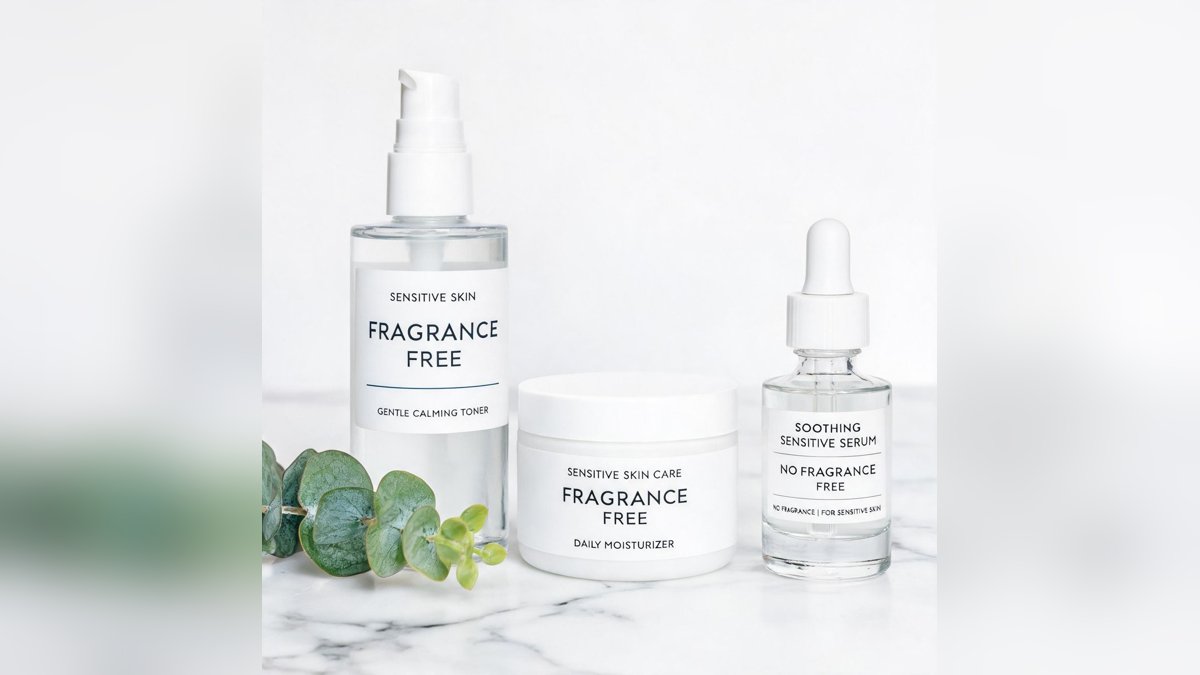
- Fragrance is the most common irritant — choose products labeled "fragrance-free" (not "unscented") and check INCI lists for "parfum"
- Vanicream, La Roche-Posay Toleriane, and Avene Tolerance are dermatologist-recommended lines designed specifically for reactive skin
- Cleanse with non-foaming cream or milk cleansers; avoid sulfates, alcohol denat, and physical scrubs
- Introduce active treatments one at a time — azelaic acid and low-concentration niacinamide are the safest starting points
- Use physical (mineral) sunscreens with zinc oxide or titanium dioxide to avoid stinging from chemical filters
What Triggers Sensitive Skin Reactions
Sensitive skin affects an estimated 60 to 70 percent of women and 50 to 60 percent of men at some point in their lives. It is not a medical diagnosis but a description of how your skin reacts to products and environmental factors. Symptoms include stinging, burning, redness, itching, and visible irritation after applying certain products. The root cause is usually a compromised skin barrier that allows irritants to penetrate more easily. Building a routine around fragrance-free, hypoallergenic products is the most effective way to manage sensitivity while still achieving your skincare goals.
"Consistency and ingredient quality matter more than product price. A well-formulated drugstore routine used daily will outperform an expensive regimen used sporadically."
The challenge is that the word "hypoallergenic" on a label is not regulated by the FDA. Any brand can claim their products are hypoallergenic regardless of the actual formulation. The only reliable way to find genuinely gentle products is to read ingredient lists and look for known irritants. The following sections break down the best product choices for sensitive skin by category, focusing on brands with a proven track record of formulating for reactive skin types.
Best Cleansers for Sensitive Skin
The most common triggers for sensitive skin reactions fall into several categories. Fragrance is the number one irritant — both synthetic fragrance (listed as "parfum" on INCI lists) and natural essential oils. Even "natural" fragrances like lavender oil, tea tree oil, and citrus oils are common allergens. The second category is preservatives, specifically methylisothiazolinone and formaldehyde-releasing preservatives like DMDM hydantoin. These are increasingly rare in modern formulations but still appear in some drugstore products. The third category is certain active ingredients like high-concentration vitamin C (L-ascorbic acid at 15 percent or higher), benzoyl peroxide, and chemical sunscreen filters like oxybenzone and octinoxate.
Physical irritants matter too. Rough scrubs, cleansing brushes used too aggressively, and products with drying alcohols (alcohol denat, SD alcohol) can all trigger reactions. Even water that is too hot can strip the skin barrier. Understanding your specific triggers — by patch testing new products and keeping a simple diary of reactions — helps you avoid ingredients that cause problems rather than avoiding all products indiscriminately.
Moisturizers That Soothe and Protect
For cleansers, the gold standard for sensitive skin is a non-foaming, cream-based or milk-based formula that cleans without stripping. Vanicream Gentle Facial Cleanser is widely recommended by dermatologists because it contains no fragrance, no dyes, no lanolin, no parabens, and no formaldehyde. Its ingredient list is short and simple — just enough cleansing agents to remove dirt and oil without disrupting the barrier. Cetaphil Gentle Skin Cleanser is another classic option that has been formulated specifically for sensitive skin for decades. It uses a non-comedogenic, soap-free base that leaves the skin feeling clean but not tight.
La Roche-Posay Toleriane Hydrating Gentle Cleanser deserves special mention because it contains niacinamide and ceramide-3, which actively support the skin barrier while cleansing. It also uses thermal spring water that is naturally rich in selenium, an antioxidant that soothes inflammation. For those who wear makeup or sunscreen, the ideal approach is double cleansing with a gentle oil-based first cleanser — look for oils like jojoba or squalane that closely mimic the skin's natural sebum — followed by a cream-based second cleanser. Avoid cleansing balms with fragrance or essential oils regardless of how natural they claim to be.
Serums and Treatments for Reactive Skin
A good sensitive-skin moisturizer needs three things: humectants to draw water into the skin, emollients to smooth the surface, and occlusives to lock moisture in. Vanicream Moisturizing Cream excels at all three with a simple formulation built around petrolatum, glycerin, and ceramides. It comes in a tub or a tube with a pump, making it hygienic and easy to use. La Roche-Posay Cicaplast Baume B5 is another standout — it contains panthenol (vitamin B5) to soothe irritation, shea butter to nourish, and madecassoside from centella asiatica to calm inflammation. It works particularly well for people dealing with both sensitivity and dryness.
For a lighter daytime option, Avene Tolerance Control Soothing Skin Recovery Cream uses a sterile packaging system that requires no preservatives, removing one more potential irritant from the equation. It contains only seven ingredients and uses a silicone base that sits comfortably under sunscreen and makeup. CeraVe Moisturizing Cream is a budget-friendly option that includes three essential ceramides and uses MVE delivery technology that releases hydration gradually throughout the day. Whichever moisturizer you choose, apply it to damp skin within sixty seconds of cleansing for maximum absorption and barrier support.
Sunscreens That Do Not Sting
Building a treatment routine for sensitive skin requires patience. The safest approach is to introduce only one active ingredient at a time, starting with the lowest available concentration and using it two to three times per week for two weeks before increasing frequency. Azelaic acid is one of the best starting points for sensitive skin — it treats redness, controls acne, and evens skin tone with minimal irritation. The Ordinary Azelaic Acid Suspension 10 percent is an affordable, well-formulated option that works for most reactive skin types.
Niacinamide at 2 to 5 percent is another excellent treatment for sensitive skin. It strengthens the skin barrier, reduces redness, regulates oil production, and improves the appearance of pores — all without the stinging or peeling associated with stronger actives. The Inkey List Niacinamide Serum uses a 2 percent concentration that is ideal for sensitive beginners. Avoid niacinamide serums with added fragrance or essential oils, and never combine niacinamide with high-concentration vitamin C in the same routine if your skin is very reactive. Retinol is possible for sensitive skin but requires a slow, careful introduction. Start with a low-concentration encapsulated retinol like CeraVe Resurfacing Retinol Serum and use it once per week for a month before increasing. For more on product comparisons, see our drugstore versus luxury guide.
Sunscreen is often the most challenging product category for sensitive skin. Chemical sunscreens absorb UV rays and convert them to heat, which can cause stinging and redness on reactive skin. Physical (mineral) sunscreens using zinc oxide and titanium dioxide sit on top of the skin and reflect UV rays, making them far less likely to cause reactions. The trade-off is that mineral sunscreens can leave a white cast, though modern formulations have improved significantly. Supergoop Mineral Sheerscreen SPF 30 uses micronized zinc oxide that blends in with minimal white residue and contains soothing ingredients like meadowfoam seed oil and algae extract.
EltaMD UV Clear Broad-Spectrum SPF 46 is a dermatologist favorite that combines zinc oxide with niacinamide, making it both protective and soothing. It is oil-free and fragrance-free and works well under makeup. For a drugstore option, CeraVe Hydrating Mineral Sunscreen SPF 30 uses zinc oxide and titanium dioxide with ceramides to support the skin barrier while protecting from UV damage. It leaves a slight white cast but is significantly more affordable than luxury mineral options. Avoid spray sunscreens for the face, as the propellants and alcohol content can irritate sensitive skin. Stick to lotion or cream formulations applied with clean hands. For seasonal routine adjustments, see our summer to fall transition guide.
Frequently Asked Questions
Common questions about the best products for sensitive skin: fragrance-free and hypoallergenic picks
What does hypoallergenic actually mean on a skincare label?
Hypoallergenic is a marketing term, not a regulated claim. The FDA does not define what hypoallergenic means or set standards for its use. Any brand can label their products hypoallergenic regardless of the formulation. The term implies the product is less likely to cause allergic reactions, but since there are no standards, the only way to verify this is to read the ingredient list yourself. Look for products that are fragrance-free, non-comedogenic, and have short ingredient lists with no known common irritants.
Can sensitive skin use retinol or other anti-aging actives?
Yes, but the approach must be gradual and careful. Start with encapsulated retinol formulations that release the active ingredient slowly, reducing irritation potential. Begin with once per week application at the lowest concentration (0.25 percent or lower) and increase frequency only after two to four weeks without reaction. Apply retinol over moisturizer (the sandwich method) to buffer the skin. Azelaic acid and niacinamide are gentler alternatives for sensitive skin that still provide visible results.
How do I patch test a new product for sensitive skin?
Apply a small amount of the product to a discreet area of skin, such as the inside of your forearm or behind your ear. Leave it in place for 24 hours without washing. Check the area for redness, stinging, itching, or bumps. If no reaction occurs, apply the product to a small area on your face, such as the side of your jaw, for another 24 to 48 hours. If both tests pass, the product is likely safe for full-face use. Repeat this process for every new product, even from brands you trust.
Are natural or organic products better for sensitive skin?
Not necessarily. Natural ingredients can be just as irritating as synthetic ones — sometimes more. Essential oils like lavender, tea tree, peppermint, and citrus oils are natural but are common allergens and irritants. Poison ivy is natural too. The chemical structure of an ingredient determines whether it causes reactions, not whether it comes from a natural source. Many of the most effective sensitive-skin products use synthetic ingredients that are precisely formulated to be non-irritating and free from contaminants.
Why does my skin sting when I apply moisturizer?
Stinging after moisturizer application is a sign that your skin barrier is compromised. The moisture in the product penetrates deeper than it should and triggers nerve endings in the lower layers of the epidermis. This is common in people with very dry or damaged skin barriers. Switch to a moisturizer with barrier-repairing ingredients like ceramides, panthenol, and squalane. Apply the moisturizer to damp skin rather than completely dry skin, which helps the product spread more evenly and reduces the stinging sensation.
Related Articles
Your Next Step
Now that you have a deeper understanding of this topic, take what you have learned and apply it to your own skincare routine. Start by examining the products you already own, then make informed decisions about what to add or replace. Small, consistent changes lead to the best long-term results.
For more skincare guidance, explore our other articles on related topics to continue building your knowledge. The more you understand about how products work and what your skin needs, the better choices you will make at every price point.