Table of Contents
Key Takeaways
- Beard growth happens in phases — the itchy stage passes within two to three weeks as hair softens
- Beard oil moisturizes skin and hair, balm adds light hold and shape, butter provides deep conditioning for longer beards
- Trimming with the right tools and technique prevents split ends and maintains shape without losing length
- Beard wash two to three times per week is sufficient — overwashing strips natural oils that keep the beard healthy
- Beard dandruff is usually dry skin, not fungus, and responds well to exfoliation and consistent oiling
A well-kept beard is a statement of style and personality. Whether you are growing your first beard or maintaining a years-long companion, understanding the basics of beard care transforms a scratchy, unruly mess into a soft, healthy, and attractive feature. The beard care industry has exploded with products, but knowing what each one does and when to use it saves you money and delivers better results.
According to the American Academy of Dermatology, approximately 55% of men worldwide grow facial hair, and consistent application of beard oil during the first two weeks of growth reduces itch-related discomfort by up to 60% by keeping the skin beneath the beard properly moisturized.
Beard care is not complicated, but it does require consistency. The right combination of washing, moisturizing, and grooming keeps both the hair and the skin beneath it healthy. This guide covers everything from the awkward early stages to maintaining a full, majestic beard.
Beard Growth Stages and What to Expect
Growing a beard happens in predictable stages, and knowing what to expect helps you push through the uncomfortable phases. The first two weeks are the stubble stage, where the hair is short, sharp, and often itchy. This is the stage where most men give up, mistaking the normal discomfort for a bad decision. The itch happens because freshly cut hair has sharp edges that irritate the skin, and the natural oils from your skin take time to travel down the growing hair shaft.
Weeks three to four are the awkward transition. The hair is long enough to look unkempt but not long enough to style. This is when beard oil becomes essential — it softens the hair and moisturizes the skin beneath, eliminating the itch that drove you crazy in the first two weeks. By week six to eight, the beard fills in and begins to look intentional. From this point, regular maintenance with the right tools and products keeps it looking its best.
Oils vs. Balms vs. Butters
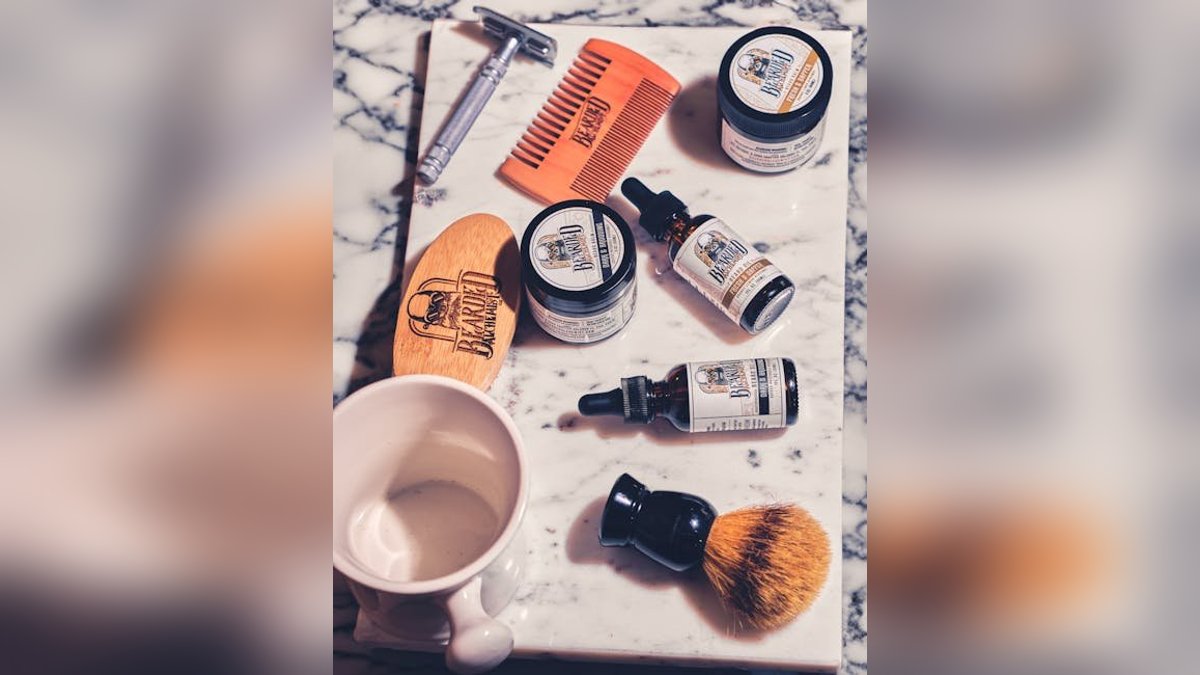
Beard oils, balms, and butters serve different purposes, and using the wrong one for your beard length and needs leads to underwhelming results. Beard oil is a blend of carrier oils, like jojoba and argan, and essential oils for fragrance. It moisturizes the skin beneath the beard and softens the hair. Use oil daily, especially during the first few months of growth. Apply a few drops to your palm, rub your hands together, and work it through the beard, reaching the skin beneath.
Beard balm contains oils plus butters and waxes that provide a light to medium hold. It moisturizes like oil but also helps shape and control flyaway hairs. Balm is ideal for beards over one inch long that need some styling control. Beard butter is thicker and richer, designed for deep conditioning rather than styling. It is best used as an overnight treatment or on very long, dry beards that need extra moisture. Butter has no hold and is not intended for styling.
Trimming Technique by Length
Trimming is essential for maintaining shape and preventing split ends, but cutting too much or too often slows your progress. For stubble and short beards under half an inch, use a beard trimmer with a guard that matches your desired length. Trim every two to three days to maintain clean edges around the neck and cheeks. For medium beards half an inch to two inches, use scissors for precision work on the mustache and cheek lines, and a trimmer for length maintenance. Trim every one to two weeks.
For long beards over two inches, invest in professional barber scissors and a quality comb. Trim only the split ends and stray hairs that disrupt the shape. Comb the beard straight before trimming and cut small amounts at a time. Always trim when the beard is dry — wet hair appears longer and leads to accidental over-trimming. Learn to define your neckline at the natural crease where your neck meets your jaw, approximately one finger-width above the Adam's apple.
Beard Wash: How and How Often
Washing your beard is different from washing the hair on your head. Beard hair is coarser and drier than scalp hair, and the skin beneath it is more sensitive. Standard shampoos strip the natural oils that keep both the beard and the skin healthy. Use a dedicated beard wash or a gentle, sulfate-free shampoo two to three times per week. On non-wash days, simply rinse with warm water and reapply beard oil. Overwashing leads to dryness and itchiness. Underwashing allows buildup of oil, food, and environmental debris that causes skin irritation and beard dandruff.
Common Beard Problems and Solutions
Beard dandruff is the most common complaint among bearded men. It appears as white flakes on the beard and shoulders and is caused by dry skin beneath the beard, not by fungus or poor hygiene. Exfoliate the skin under your beard once a week using a gentle scrub or a silicone brush, apply beard oil daily, and use a boar bristle brush to distribute natural oils evenly. If flaking persists, try a beard wash with tea tree oil or ketoconazole.
Patchiness is another common concern. Most patchy beards fill in over time as the growth cycle progresses. Give it at least three months before deciding your beard pattern is permanent. In the meantime, trim the patches to match the surrounding length and style the beard in a way that minimizes visible gaps. For more on maintaining healthy skin beneath the hair, explore How to Identify Your Acne Type and Choose the Right ....
Frequently Asked Questions
Common concerns about men's grooming
How long does the itchy beard stage last?
The itchy stage typically lasts two to three weeks as the hair grows past stubble length. The itch happens because the sharp edges of fresh-cut hairs irritate the skin, and the natural oils from your skin struggle to travel down the hair shaft. Consistent application of beard oil during this phase dramatically reduces discomfort.
Can I use regular hair conditioner on my beard?
You can, but beard-specific conditioners are better formulated for coarser facial hair. Hair conditioner is designed for the finer texture of scalp hair and may not provide enough moisture for beard hair. If you do not have beard conditioner, a small amount of regular conditioner works in a pinch.
How often should I trim my beard?
Trim every one to two weeks to maintain shape and remove split ends. For a specific style, trim every week. For a natural look, you can go two to three weeks between trims. Always trim when the beard is dry and combed straight.
What causes beard dandruff and how do I fix it?
Beard dandruff is primarily caused by dry skin beneath the beard and insufficient moisturizing. Fix it by exfoliating the skin beneath the beard once a week, applying beard oil daily after washing, and using a boar bristle brush to distribute natural oils.
Do beard growth supplements actually work?
Results vary. Biotin, vitamin D, and zinc support healthy hair growth, but they will not create beard hair where follicles do not exist. Genetics determine your beard growth pattern. Supplements can help maximize the potential of existing follicles.
Related Articles
Your Next Step
Now that you have explored men's grooming, take the information you have learned and apply it to your daily routine. Start with the basics, build consistency, and adjust based on your specific needs and preferences.
Remember that everyone's skin, hair, and body chemistry is different. Give each product or technique at least four to six weeks before evaluating results. For more guidance, explore our All Articles.