Table of Contents
Key Takeaways
- The cuticle is a living seal that protects the nail matrix from bacteria, fungi, and moisture loss — cutting it breaks this protective barrier
- Jojoba oil is chemically the closest plant oil to human sebum, making it the most effective cuticle moisturizer available
- Pushing cuticles back gently after showering is safer than cutting them, which increases infection risk
- Hand cream ingredients like shea butter, glycerin, and ceramides restore the skin barrier and prevent premature hand aging
- Paraffin treatments provide deep moisturization for extremely dry hands and cuticles but should not exceed once per week
Cuticles are often treated as an afterthought in nail care routines, but they play a critical role in nail health. The cuticle, technically called the eponychium, is a thin layer of living skin that seals the space between the nail plate and the surrounding skin. This seal prevents bacteria, fungi, and irritants from reaching the nail matrix, the tissue where new nail cells are produced.
When cuticles are neglected or improperly cut, the protective barrier breaks. Bacteria enter, infections develop, and nail growth can become distorted. Healthy cuticles are soft, flexible, and lie flat against the nail plate without lifting or tearing. Maintaining them requires consistent care — not aggressive cutting or trimming.
Cuticle Anatomy and Purpose
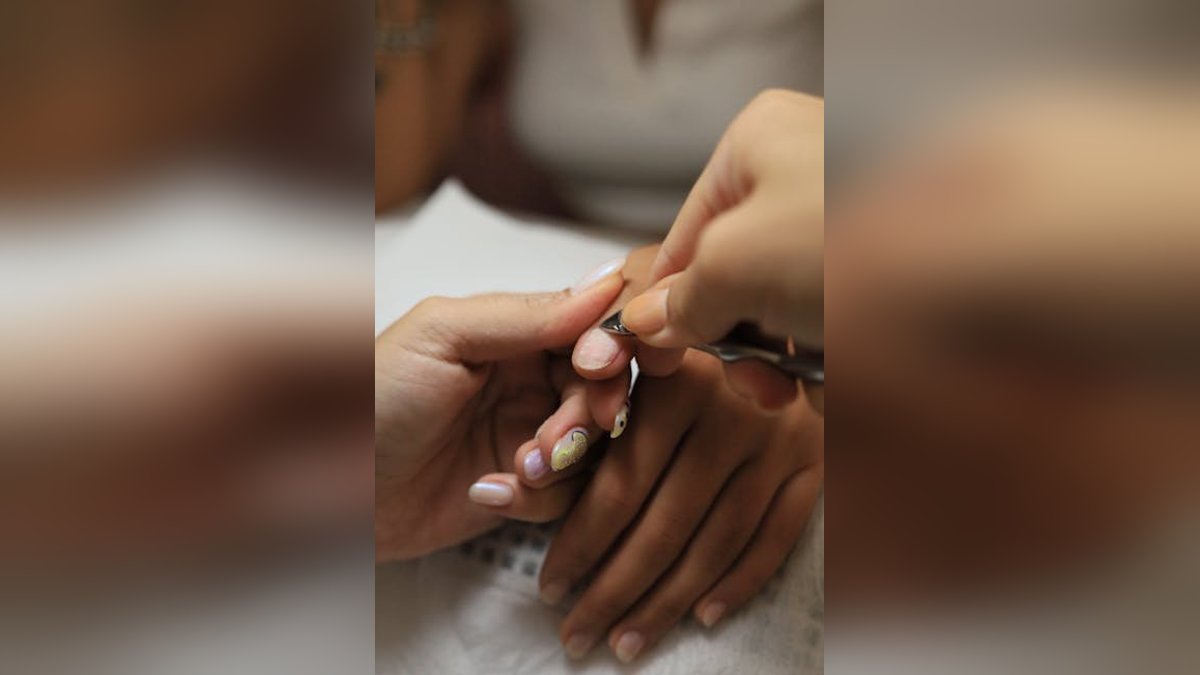
The visible cuticle is actually two structures: the eponychium (the living skin fold at the base of the nail) and the true cuticle (the thin layer of dead skin cells that adheres to the nail plate from the eponychium). The true cuticle is what nail technicians remove during a manicure. The eponychium should never be cut or removed — it is living tissue that grows back damaged if cut.
The cuticle area also includes the lateral folds on each side of the nail and the hyponychium under the free edge. All these structures work together to protect the nail unit from environmental threats. When the cuticle lifts or separates from the nail plate, a pocket forms that can trap moisture, bacteria, and debris, leading to paronychia, a painful nail infection.
Common cuticle problems include dryness and cracking, which occur when natural oils are stripped by frequent hand washing, sanitizer use, or cold weather. Overgrown cuticles that stick to the nail plate can cause ridges and uneven nail growth. Hangnails are small tears in the cuticle skin, usually caused by dryness or aggressive cuticle cutting.
Choosing and Using Cuticle Oil
Cuticle oil is the single most effective product for maintaining cuticle health. The ideal oil penetrates the cuticle and nail plate, delivering moisture and nutrients directly to the nail matrix. Not all oils penetrate equally — the molecular structure determines how deeply the oil can absorb.
Jojoba oil is chemically similar to sebum, the oil naturally produced by human skin. This similarity allows jojoba to penetrate the cuticle and nail plate more effectively than any other plant oil. Vitamin E oil adds antioxidant protection and supports skin repair. Squalane, derived from olives, is another excellent penetrating oil that closely matches the skin's natural lipid profile.
"The difference between a cuticle oil that works and one that sits on the surface comes down to molecular size. Jojoba esters are small enough to penetrate the nail plate itself, not just the surrounding skin. This is why applying cuticle oil is the single most impactful habit for nail health — it directly nourishes the nail production center."
Apply cuticle oil by placing one drop at the base of each nail and massaging in circular motions for 10 to 15 seconds per nail. Include the lateral folds and the area under the free edge. The best time to apply is immediately after hand washing, when the cuticle is slightly damp and more receptive to absorption. A before-bed application allows the oil to work overnight without being washed off.
Hand Maintenance and Professional Treatments
Hand care extends beyond cuticles. The skin on your hands is thinner than facial skin and has fewer oil glands, making it prone to dryness and premature aging. Daily hand cream application is essential, especially for people who wash their hands frequently or work with drying materials.
Look for hand creams containing shea butter for deep moisturization, glycerin to attract moisture to the skin, and ceramides to restore the skin barrier. SPF protection on hands is often overlooked but critical, as hands show aging signs earlier than the face due to cumulative sun exposure. Keep a hand cream with SPF in your bag and reapply after washing.
Paraffin Wax Treatments
Paraffin wax treatments provide deep, penetrating moisturization for extremely dry hands and cuticles. The warm wax opens pores and allows oils and moisturizers to absorb deeply. The heat also increases blood circulation, which promotes nail growth and cuticle health. Professional treatments cost $15 to $30, and at-home paraffin baths are available for $30 to $60.
Limit paraffin treatments to once per week. More frequent use can strip the skin's natural oils and cause dependency. People with diabetes, open wounds, eczema flare-ups, or poor circulation should avoid paraffin treatments entirely. The wax temperature should never exceed 125 degrees Fahrenheit to prevent burns.
Manicure Frequency
Professional manicures every 2 to 3 weeks maintain nail shape and cuticle health. Between appointments, maintain your nails by filing in one direction, applying cuticle oil twice daily, and gently pushing cuticles back after showering. Avoid picking at cuticles or biting nails, as these habits cause more damage than any product or procedure. For nail art ideas to showcase your healthy nails, see Nail Art for Beginners: Tools, Techniques, and Easy Designs.
Frequently Asked Questions
Common questions about cuticle care, hand maintenance, and manicure frequency
Should I cut my cuticles or push them back?
Pushing cuticles back is safer than cutting them. The cuticle is a living seal that protects the nail matrix, the growth center of your nail. Cutting removes this protective barrier and creates an entry point for bacteria and fungi. Push cuticles back gently after showering or soaking hands in warm water when the skin is soft. Use a wooden cuticle stick wrapped in cotton rather than metal tools. If you have hangnails or dead skin flaps, trim only the detached portion, not the attached living cuticle.
How often should I apply cuticle oil?
Cuticle oil should be applied at least twice daily — once in the morning and once before bed. Each hand washing or sanitizer application removes natural oils from the cuticle area, so reapply after every hand wash when possible. Frequent application is more important than the amount applied; a single drop per nail massaged in is sufficient. Consistency over weeks and months produces visible improvement in cuticle health and nail strength.
What ingredients should I look for in a cuticle oil?
Jojoba oil is the gold standard because its molecular structure closely resembles human sebum, allowing deep penetration. Vitamin E (tocopherol) provides antioxidant protection and supports skin repair. Squalane, rosehip oil, and avocado oil are excellent secondary ingredients. Avoid mineral oil and petroleum-based products, which sit on the surface without penetrating. Pure jojoba oil mixed with a few drops of vitamin E oil is more effective than most commercial cuticle oil blends.
How often should I get a professional manicure?
For maintenance of natural nails, a professional manicure every 2 to 3 weeks is sufficient. For gel or dip enhancements, schedule fills every 2 to 3 weeks for gel and every 3 to 4 weeks for dip powder. Over-filing between appointments weakens the nail plate, so avoid having the nail surface aggressively buffed at every visit. Between professional manicures, maintain cuticle oil application and gentle pushing at home to extend the results.
What are the benefits of paraffin wax treatments for hands?
Paraffin wax treatments involve dipping hands in warm melted wax that is layered and wrapped to trap heat. The heat opens pores and allows moisturizing ingredients to penetrate deeply. Benefits include intense hydration for extremely dry hands, softening of cuticles and calluses, improved circulation, and temporary relief for arthritis stiffness. Treatments should be limited to once per week, as overuse can strip natural oils. People with open cuts, rashes, or poor circulation should avoid paraffin treatments.
Related Articles
Your Next Step
Buy a bottle of pure jojoba oil and a hand cream with shea butter or ceramides. Apply cuticle oil every morning and night, and after each hand wash. Replace cuticle cutting with gentle pushing after showering.
Schedule a paraffin treatment if your hands feel chronically dry, but limit to once per week. For professional manicures, aim for every 2 to 3 weeks and request that the technician avoid aggressive cuticle cutting and over-buffing. Your hands and nails will show visible improvement within two weeks of consistent cuticle oil application. For more on overall nail health, read Nail Health Basics: Strengthening Weak and Brittle Nails.